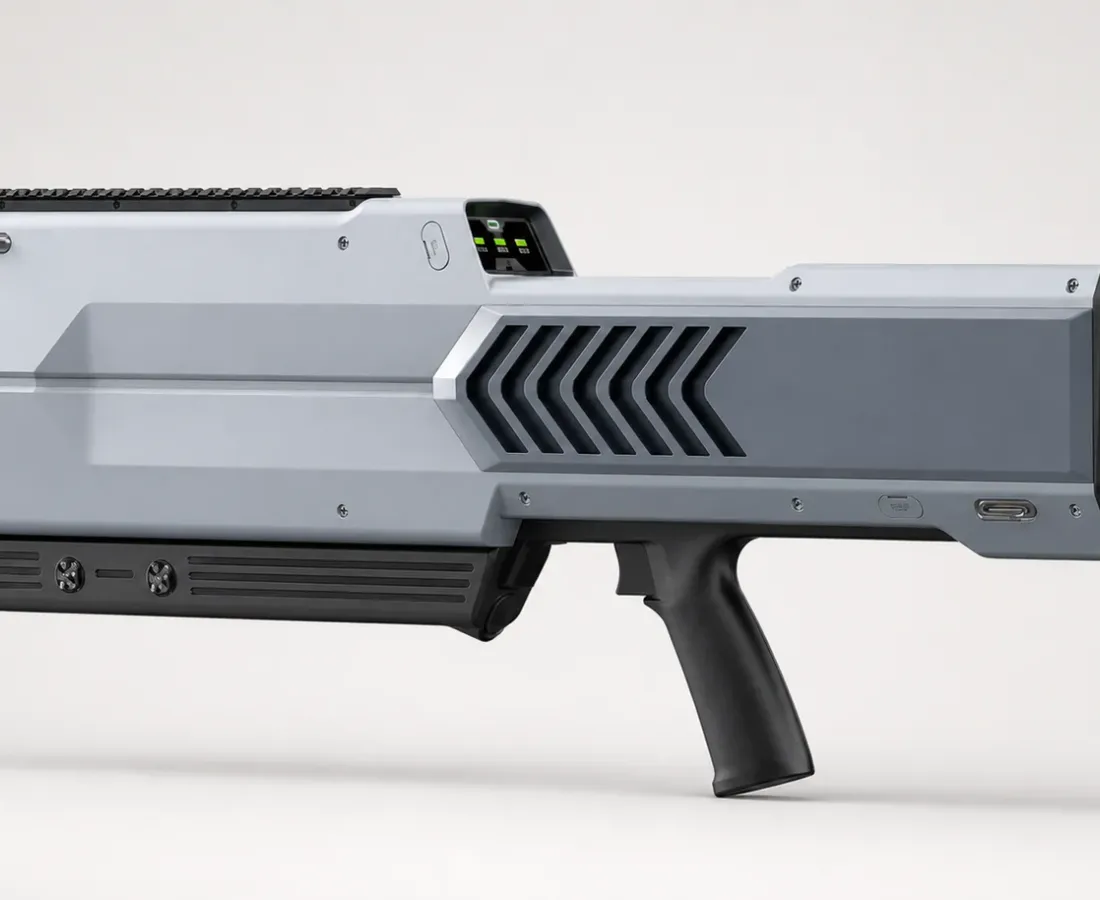
FILE / C-UAS P1

Portable Counter-Drone System C-UAS P1

A portable counter-UAS solution for authorized use within a layered site-protection system.

Request price and MOQ ↗
Portable Counter-Drone System C-UAS P1
Controlled categoryC-UAS P1
Configuration

Available options

01Custom configuration+
02Transport case+
03Training materials+
04Project integration+
Procurement dossier

What to know before requesting a C-UAS configuration

Public information for an initial project assessment. Controlled parameters and the final configuration are released only after request screening.

01

The role of C-UAS P1 in site protection

C-UAS P1 is evaluated as a portable component of a layered protection system, not as a universal stand-alone device. Performance depends on the threat model, site geometry, radio-frequency environment, existing detection channels and the operator’s legal authority.

Before configuration, the buyer defines protected zones, likely approaches, friendly authorized drone activity, acceptable response time and event-recording requirements. Sensitive project details are exchanged through a controlled channel after the parties are screened.

02

Inputs required for a project configuration

Headline range figures are not enough for a defensible comparison. Terrain, buildings, installation height, interference, target characteristics, antennas and the test method all affect measured performance. An RFQ should therefore describe the scenario and acceptance criteria.

The public page intentionally excludes operating frequencies, intervention modes and other details that may be controlled or increase misuse risk. Those parameters are discussed only after the intended use and disclosure path have been approved.

  • site type and protected area
  • portable or integrated deployment
  • required detection channels
  • power and operating time
  • command-system interfaces
  • authorized test criteria
03

Buyer screening and compliance

Before a detailed specification is released, the legal entity, payer, consignee, end user, destination and stated use are checked. An end-user statement, authority documents and evidence supporting lawful import, possession or operation may be required.

Equipment involving radio interference or a controlled end use can be subject to export controls, spectrum rules and national restrictions. Eligibility is assessed project by project; receiving a budgetary indication does not by itself authorize a sale or deployment.

04

Comparison and acceptance testing

Separate detection, classification, alerting, integration and any legally authorized response in the requirement. For each function, define the test scenario, repetitions, conditions, event record and pass/fail rule. This makes measured results comparable and avoids relying on a brochure claim.

FAT verifies configuration, serial numbers, self-test, interfaces, power, operating time and agreed functions in an authorized environment. SAT confirms deployment, integration, operator training and approved site scenarios. Any active test must be conducted by authorized parties under applicable law.

05

Scope of supply and lifecycle support

The quotation should itemize the main unit, transport case, batteries or power supply, chargers, cables, approved antennas, spares, documents and training. Each item needs a part number and quantity so receipt is based on a controlled packing list rather than a photograph.

The contract should define warranty handling, response times, remote diagnostics, replaceable modules, software updates and configuration control. A technical change after approval requires written notification and, where its impact warrants it, repeat testing.

FAQ

Common questions

Why are frequencies and range not published?+

They depend on configuration, environment and the lawful scenario, and some information may be controlled. Details are shared after request screening and an approved disclosure path.

What is needed to request a quotation?+

Expect to provide the legal buyer, consignee and end user, destination, intended site and use, project requirements and evidence of authority where applicable. The exact list depends on the project.

Can a demonstration or test be arranged?+

Feasibility is reviewed after screening. The location, targets, method, permissions, pass/fail criteria and responsible parties must be agreed before any test.

RFQ
/26

Have a specification?
Start with the details.

Send the category, quantity, required parameters and destination. We will reply with questions about configuration, MOQ and documentation.

Request a quote ↗